
The lies we tell ourselves before long runs
The comforting lies runners tell themselves before long runs, why they actually help, and how they get you out the door anyway.

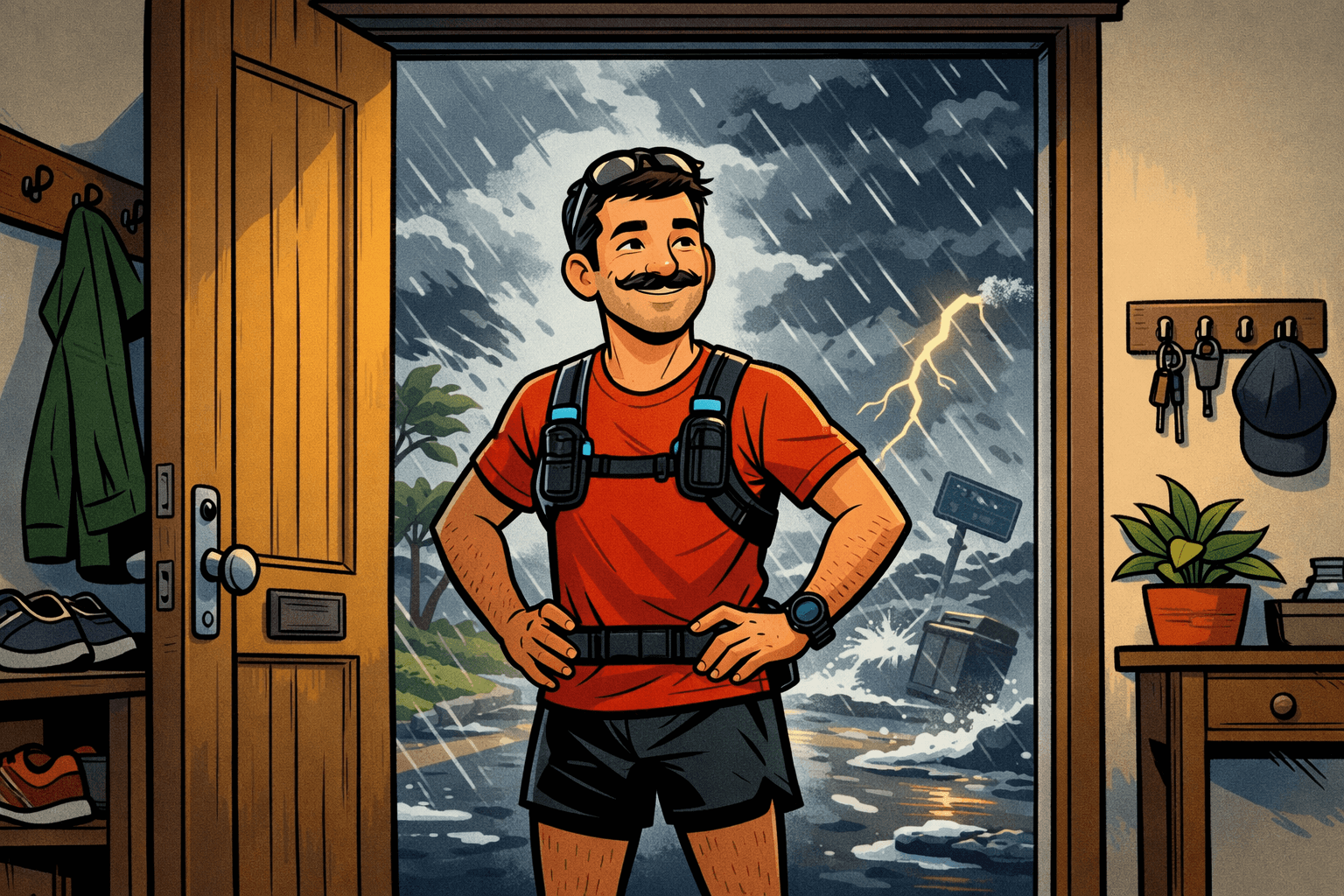
There is a specific kind of optimism that appears the night before a long run. It is not confidence. It is not motivation. It is something softer, quieter, and far more useful. It is a little voice that says: “I’m fine. This will be fine”.
“It’s just an easy long run”
Calling it “easy” reframes the task. It narrows your focus to pace and effort rather than distance. Psychologically, it reduces the threat. Your brain hears “easy” and stops panicking about the length.
Is it actually easy? No. But if you called it “a very long aerobic endurance stress event with emotional consequences”, you would probably lie down and start making excuses that sound medically plausible.
“I’ll definitely keep it slow”
Sure you will. And I’m sure you won’t be drinking much tonight either.
You say this because it makes you feel like a responsible adult runner who understands training principles. It signals maturity. Restraint. Growth. For the first five kilometres, it might even appear to be true.
Then there is a downhill. Or a straight road. Or another runner who looks like they might be doing something slightly impressive. Suddenly you are “just settling in” at a pace you absolutely did not agree to. Still, the lie has done its job. You didn’t start the run like an idiot. You eased in. Damage limitation is still a win.
“The weather won’t be that bad”
Wind becomes “a bit breezy”. Rain becomes “refreshing”. Cold becomes “good for mental toughness”. These phrases exist solely to prevent you from cancelling.
This lie is not about accuracy. It is about avoiding the spiral where you imagine yourself wet, cold, miserable, and questioning your entire personality before you have even put your watch on.
Once you are out there and miserable, it’s too late. You’re committed. The lie has served its purpose.
“If it goes badly, I’ll just cut it short”
This is my personal favourite - it gives you an escape hatch. Psychologically, it makes the run feel optional rather than compulsory, which is often the only way to begin.
In reality, once you are moving, cutting it short feels suspiciously like failure. You’ve already invested time, effort, and a non-trivial amount of sweat. At that point, continuing feels easier than explaining to yourself why you stopped.
“I’ve felt worse than this before”
This one usually appears around the halfway mark. This lie reframes discomfort as familiar. Not dangerous. Not new. Just annoying. Your brain relaxes slightly when it recognises the sensation, even if it doesn’t enjoy it.
You are absolutely not feeling good, but this is not yet your worst memory, and that’s reassuring in its own way.
“Once I’m halfway, it’s basically done”
Halfway feels significant. It feels like something you can point to as evidence that you’re doing well.
Unfortunately, the second half contains all the hard bits. Fatigue, boredom, hunger, mild existential questioning. Still, telling yourself you’re “nearly there” keeps the wheels turning, and that is the point.
Why these lies are actually helpful
Long runs are not powered by discipline alone. They are powered by negotiation, denial, and a quiet agreement to deal with consequences later. To make them manageable, you need to smooth the edges. A gentle lie with good intentions can make a world of difference; if telling yourself “this will be fine” is what gets you moving, then it is doing exactly what it needs to do. The lies don’t need to be true. They just need to work.