
Why yoga is great for cross-training
Think cross-training means more cardio? Yoga builds strength, mobility, and sanity. No machines or sweat-drenched Lycra required.

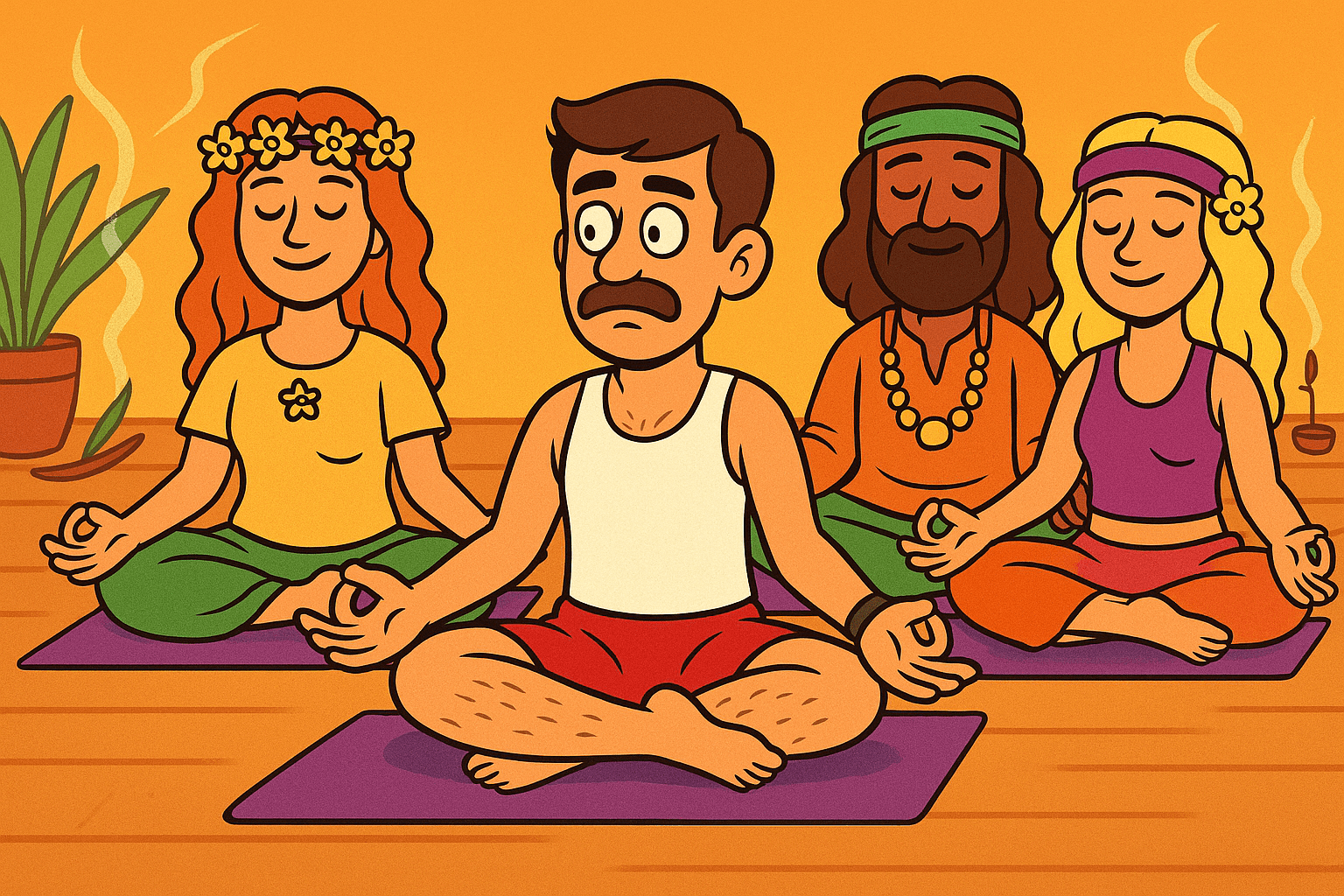
Cross-training usually means swapping one form of suffering for another. You row until your shoulders burn, cycle until your quads hate you, or swim laps while inhaling half the pool. Yoga, on the other hand, looks suspiciously gentle. A room of people lying on mats? Surely that’s not training.
Yoga is one of the most effective forms of cross-training you can do. It doesn’t just complement your main sport; it patches the holes it leaves behind.
What cross-training is really for
The point of cross-training isn’t to impress strangers with your Strava variety. It’s to keep your body moving without hammering the same muscles and joints day after day. It’s to strengthen the weak links your sport conveniently ignores. And yes, it’s to break the boredom before you start screaming into the void during your fifth identical interval session of the week.
How yoga complements other training
Mobility and injury prevention
Your sport of choice has a type. Runners pound quads and calves, cyclists lock themselves into a hunched spine, lifters shorten hamstrings and tighten shoulders. Yoga loosens the places your training locks up through poses such as:
- Utthan Pristhasana (Lizard pose): Drop into a long lunge with your hands on the floor inside your front foot. Imagine you’re trying to eavesdrop on a conversation through your own knee. Gravity pries your hips open whether you’re keen or not, stretching hip flexors and groin — the same spots welded shut by endless miles in running shoes.
- Parsva Balasana (Thread the needle): On all fours, slide one arm under the other and twist until your shoulder and cheek rest on the mat. It looks like you’ve given up and are lying down for a sulk, but it untwists the upper back and shoulders that cycling and desk work lock solid.
- Adho Mukha Svanasana (Downward dog): The yoga classic - hands and feet planted, hips shoved up into an inverted V. Imagine your arse is being yanked up to the ceiling while your palms and heels are nailed to the floor. It lengthens calves, hamstrings, and spine, while making your shoulders hold more than they signed up for. Runners get looser legs, lifters get overhead mobility, and everyone realises their hamstrings are mean little liars.
Strength without barbells
You don’t need a barbell to build strength — your own body weight can be more than enough if you hold it in the right way. Take a low plank (chaturanga dandasana): it looks like a push-up halfway down, but staying there lights up your triceps, shoulders, and deep core muscles. Warrior II (virabhadrasana II) looks like a wide lunge with your arms stretched out, but hold it for a minute and your thighs start to burn while your hips and smaller stabiliser muscles kick in. Even chair pose (utkatasana) — basically sitting in an invisible chair — trains your quads to endure under pressure, a strength lifters chase with loaded squats.
Yoga strength work isn’t about max reps or personal bests; it’s about control, endurance, and teaching your body to fire the muscles you usually neglect.
Breathing and recovery
Yogic breath work (pranayama) isn’t just breathing with a fancy name. It’s the deliberate control of inhale, exhale, and sometimes retention, which directly influences the nervous system. Long, controlled exhales stimulate the parasympathetic branch — the “rest and digest” mode — lowering heart rate and calming the stress response. Pair that with the classic savasana (corpse pose), which downshifts your nervous system while reducing heart rate and blood pressure, and you’ve got a recovery tool disguised as lying on the floor.
Best yoga styles for cross-training
- Hatha yoga: slower, structured, and ideal if you’ve never touched a mat. It’s basically the strength and conditioning fundamentals of yoga.
- Vinyasa flow: continuous movement linking breath and pose. Builds strength, stamina, and coordination, think of it as cardio disguised as stretching.
- Yin yoga: long, deep holds targeting fascia and connective tissue. Perfect on recovery days when you want a full-body reset without breaking a sweat.
- Power yoga / Rocket yoga: fast-paced, strength-focused, and sweaty. Closer to a gym session, but with flexibility gains baked in.
Practical tips to include yoga as cross-training
The best way to make yoga stick is to treat it like training, not fluff. Add one or two sessions a week in place of an easy day, and give them purpose. Respect alignment as much as you respect form in the gym; a sloppy pose is no better than a sloppy deadlift. Go in with intention, and it will give back more than just a nice stretch.
Finding your inner yogi
Cross-training doesn’t have to mean more cardio on a different machine. Yoga fills in the cracks — mobility where you’re tight, strength where you’re weak, calm where you’re wired. You don’t need to chant, and you won’t suddenly levitate. But you might find that a few sessions on the mat make you stronger, less injury-prone, and a lot more bearable to live with.