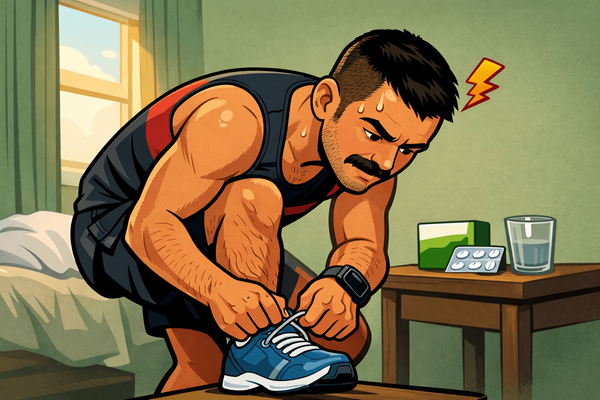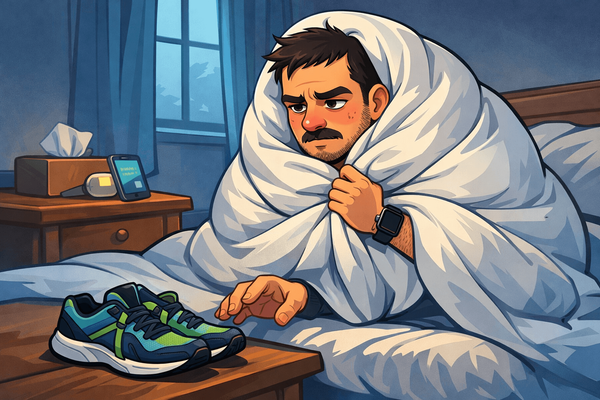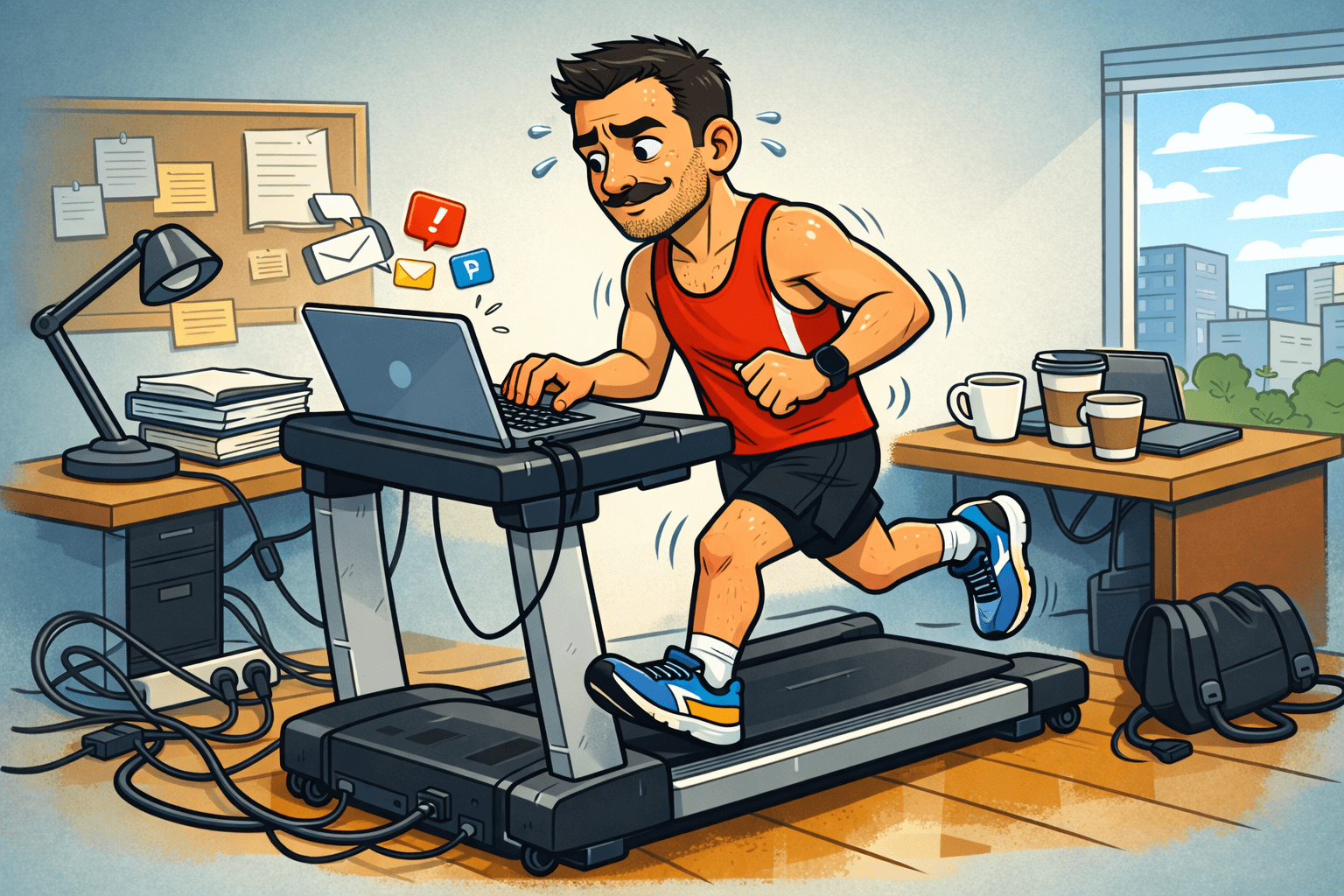
Is running good for weight loss?
If you have ever run three times in a week, stepped on the scale to find you’ve gained 2 kg and asked the universe why you look puffier than a croissant, this one is for you.

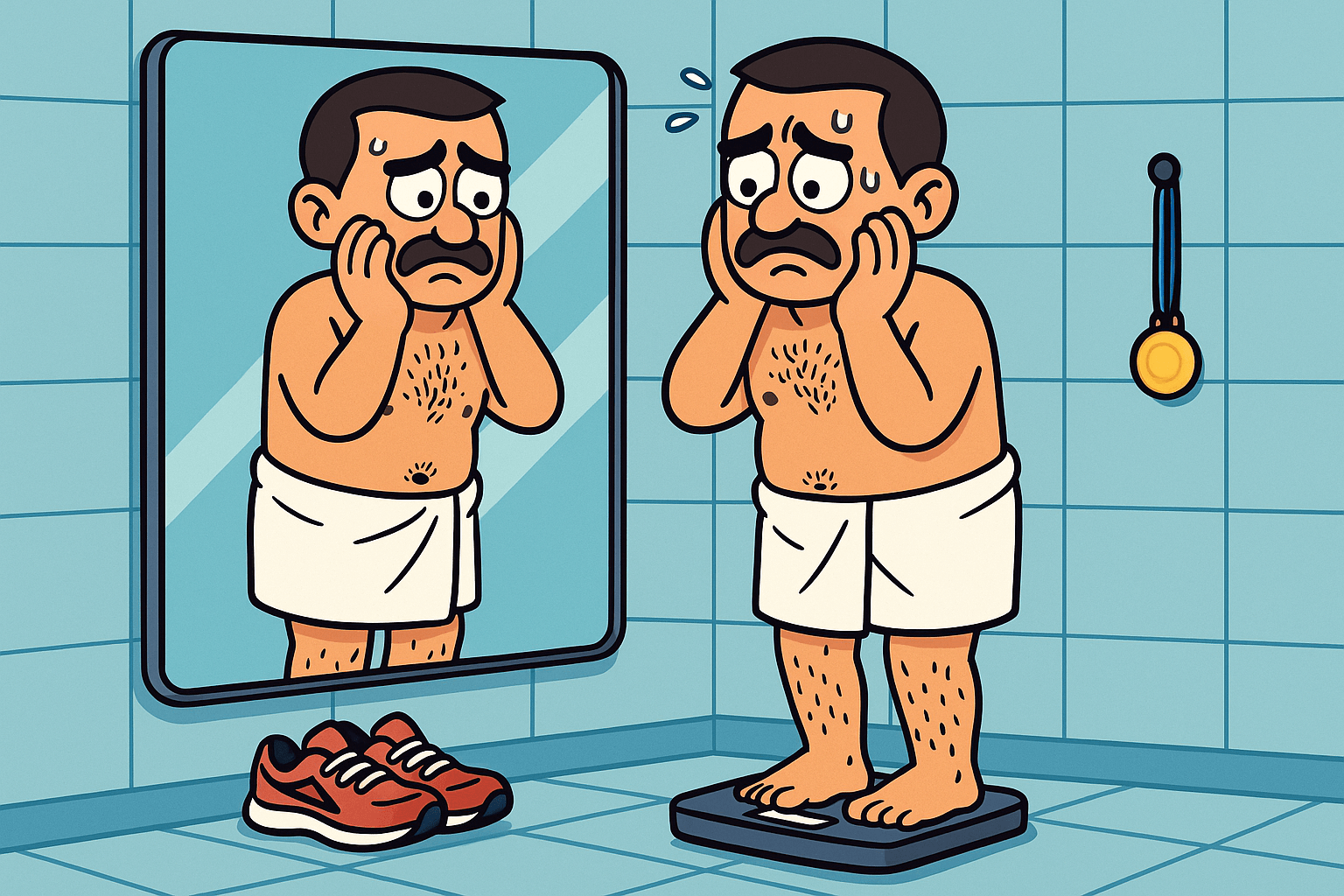
The idea that running equals weight loss has been around forever. It is simple and neat, but not entirely accurate. Not because running is bad for weight loss, but because running introduces a long list of physiological surprises that the scale will misinterpret as fat gain.
Does running help with weight loss?
Short answer. Yes. Running absolutely can help with weight loss.
Longer answer. Running does not guarantee weight loss, because weight loss requires one specific thing: a calorie deficit.Running burns calories, which helps create that deficit, but your body is extremely good at stopping you from losing weight, for reasons we will get into.
For now, the important bit is this: running improves your health in almost every measurable way, but your scale might not show it. Not at first, sometimes not for a while. And sometimes, not at all.
Why running can make you gain weight at first
Here is where things get fun.
Glycogen storage increases
When you start running, your body increases the amount of glycogen it stores in your muscles. Glycogen is the storage form of carbohydrates, and it is what your muscles burn for energy. Every gram of glycogen binds roughly three grams of water. So when your legs upgrade their internal carb pantry, you get heavier. Beginners often gain 1 to 3 kg of glycogen plus water in the first few weeks.
This is not a problem - this is biology saying: "Oh, you want to run now? Let me grab my bags."
Water retention from inflammation
Running causes microscopic damage to your muscles. This is normal: your body repairs the damage, gets stronger, and improves your endurance. But the repair process pulls water into the tissues that equals temporary swelling.
This is why you can run 10k, feel heroic, open your camera app, and wonder why your legs look like they are storing winter supplies.
Hunger goes up
Running increases energy expenditure, which increases ghrelin, the hormone that tells your brain to eat. Your appetite ramps up long before your metabolism catches up. Every runner has lived this - you finish a run and feel like you deserve a small bakery. This is normal. This is also why relying on running alone for weight loss is… tough.
Your daily movement goes up without you noticing
Running also increases something called NEAT, short for non-exercise activity thermogenesis. In plain English, this is all the calories you burn simply by existing and moving through your day: walking more, fidgeting more, cleaning your flat because you suddenly have energy, pacing around while waiting for your Deliveroo. Running boosts your energy enough that you naturally move more, and NEAT often burns more calories overall than the run itself.
The benefits of running that do not show up on a scale
Here is what running does within weeks, regardless of your weight.
- You get fitter. Running strengthens your heart muscle and improves how efficiently your body uses oxygen. This makes daily life easier. Stairs. Carrying shopping. Cycling. Existing. Everything is smoother.
- Your insulin sensitivity improves. Running helps your body manage blood sugar better. This means more stable energy, better recovery, and fewer post-meal crashes that make you question your entire genetic line.
- Running reduces visceral fat even when your weight stays the same. Visceral fat is the fat stored around your organs, the type linked to insulin resistance and higher health risks. Running can reduce visceral fat even if your total body weight does not change at all. So you might not see a lower number on the scale, but internally your health is improving in ways far more important than a kilogram here or there.
- Your bones get stronger. Running is impact training. When you load your bones, they adapt and get denser. This is especially important after age thirty, when bone density starts to decline faster than your motivation.
- Your mental health improves. Running increases endorphins and reduces stress hormones. The afterglow is real. It is not spiritual enlightenment, but it is close. If you struggle with anxiety, running is an effective tool to calm down your spiraling brain
Is running the best exercise for weight loss?
If we are being honest, the answer is probably no. Running is brilliant for your heart, lungs, mood, and long-term health. It burns calories, improves fitness, and makes daily life easier. But if your primary goal is fat loss, running by itself might not move the needle as much as you hope.
This is because running mainly burns energy while you are doing it. Once you stop, the calorie burn drops back to normal fairly quickly. If you are serious about losing weight and keeping it off long term - strength training, ideally combined with running, can get you there easier than running alone.
Strength training builds muscle, and muscle burns more calories at rest
Muscle tissue is metabolically active. That means it uses energy even when you are sitting on the sofa watching old seasons of Bake Off.
A runner with good leg muscle mass burns more calories day to day than a runner who is all lungs and no squats. Muscle also improves metabolic flexibility, meaning your body gets better at using different fuel sources. This stabilises your energy levels, reduces cravings, and makes long-term maintenance far less miserable.
One thing to keep in mind is that building muscle can make the scale go up, even while your body fat is going down. Muscle is denser than fat, so a small increase in muscle can look like weight gain on paper, even though your body looks firmer, your clothes fit better, and you feel stronger. This is why chasing scale weight alone can be misleading. The scale only tells you gravitational pull, not progress.
The real reason running helps with weight loss
This part has nothing to do with metabolism and everything to do with psychology: running changes your identity. If you run consistently every week, eventually you start thinking of yourself as someone who trains. Someone who can do hard things. Someone who gets up, puts their shoes on, and goes outside even when it is grim. That identity change happens long before weight changes, and it makes you do things differently:
- You start walking more.
- You start eating more protein.
- You start sleeping better.
- You start drinking more water.
This is the stuff that actually leads to sustainable weight loss.
What to expect instead of weight loss when you start running
Here are the early wins you will see faster than fat loss.
- Better breathing.
- Higher energy.
- Improved sleep.
- More stable moods.
- Clothes fitting differently even if the scale stays identical.
- The belief that maybe you could run a 5k/10k/half marathon one day.
And the best one: you get to eat more. Running increases your daily calorie expenditure, so you can eat more food without changing your weight. This is the real prize that keeps most of us going week in and week out.
So, should I run to lose weight?
Running is good for weight loss, just not in the simple, linear, calories-in-calories-out way people expect. If weight loss is your goal, you need a calorie deficit. If sustainable weight loss is your goal, you need muscle. If long-term health, mood, energy, stamina, and joy are your goals, you need running.
Losing weight is not a quick fix. It is not a 6-week challenge. It is the slow, steady process of becoming a person who looks after their body by choice, not punishment.